



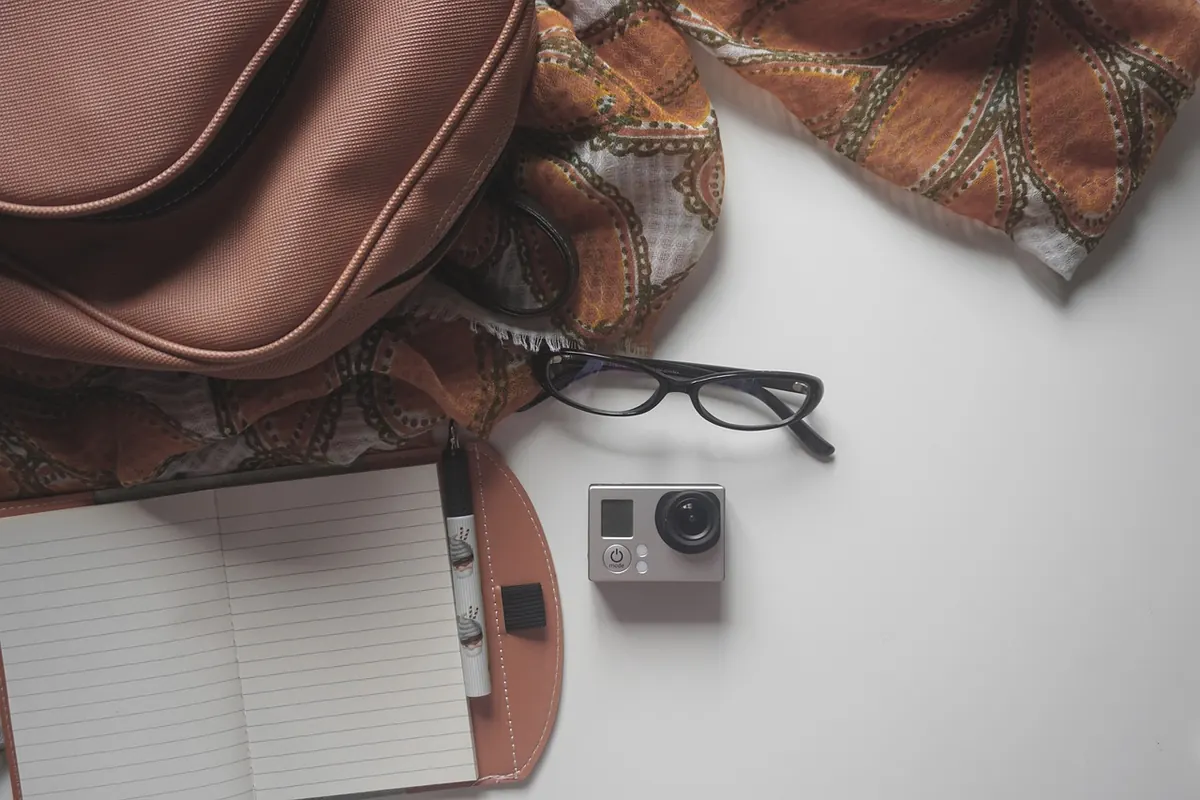
Packing photography gear for a carry-on-only trip is an exercise in subtraction. The bag has to clear a sizer at the gate, the weight has to pass a check-in counter, and your shoulder has to survive a full day of walking with it. Everything you bring has to earn its place — and what you leave at home matters as much as what goes in.
What follows is the checklist that has survived real trips: early flights, cramped regional trains, one memorably wet afternoon in a hill town. Adjust the quantities to your own kit, but keep the reasoning.
Start with the bag, not the camera
Most people choose a camera and then hunt for a bag. Do it the other way round. Cabin limits differ more than you'd expect, and a bag that's fine on one carrier can be refused on another. Look up the published dimensions and weight limit for every airline on your itinerary, then measure the bag yourself — manufacturers are optimistic.
- A soft-sided bag that opens flat. Clamshell openings let you work out of the bag on a hotel bed without unpacking everything. Hard shells protect well but waste space around the corners.
- A removable camera insert. The insert becomes your day bag at the destination; the outer bag becomes an ordinary travel bag.
- Something that fits under the seat. On full flights the overhead bins fill first, and a bag that slides under the seat in front of you is a bag that never gets gate-checked.
- Weight you can actually carry. Weigh it at home with a luggage scale, then walk around the block with it.
One body, two lenses, no guilt
The temptation is a lens for every possibility. In practice you use one lens most of the time and the rest sit in the room, adding weight to every transfer. Take one body and two lenses, and choose the second by asking what you'd regret missing.
What earns its place
- A standard zoom (roughly 24–70mm equivalent) covers streets, portraits, food and architecture. It is the lens you'll leave on the camera.
- A fast prime — 35mm or 50mm equivalent — for evenings, interiors and the pleasure of shooting one focal length for a day.
- A compact telephoto if you shoot details or distant architecture. Only if you know you'll use it.
What usually stays home
A second body, a large flash, filters you haven't touched in a year, and the tripod you keep promising to use. A small travel tripod can be worth the space if you shoot at dawn or after dark, but most trips don't need one. Reverse the hoods, cap everything, and leave nothing loose in the bag.
Power: the part people get wrong
Charging is where a well-packed bag quietly falls apart. Batteries fade faster in cold weather, hotel rooms have too few sockets, and the one cable you need is always the one you left behind.
- Three batteries per body for a week of heavy shooting, charged every night whether or not you think you need it.
- Spare lithium batteries stay in the cabin, not the hold. Tape the terminals or pouch each one so nothing shorts against keys or coins.
- One charger instead of four. A compact two-port USB-C charger with power delivery can top up a camera, a phone and a power bank from a single socket.
- A power bank in your carry-on, within your airline's limit, plus a spare cable for each device you rely on.
- A universal adapter with USB ports. It replaces a bag of plugs and works in the socket you didn't plan for.
Test the whole chain before you leave: camera to charger, charger to adapter, adapter to a wall socket you don't normally use.
Cards, storage and the backup routine
Memory cards fail, get lost, and occasionally get formatted by accident. Spread the risk: several medium-capacity cards are safer than one enormous one, because a single failure costs you a day rather than a trip.
- Two or three cards, labelled, kept in a small wallet rather than loose in a pocket.
- Format cards in the camera, not on a computer, before first use.
- Never delete anything until you have two copies.
- A small card reader, since laptops and tablets are getting fussier about slots.
An evening routine that takes ten minutes
- Copy the day's files to a small portable SSD using the card reader.
- Copy the same files to a second place — a laptop, a tablet, or cloud storage overnight.
- Check that the file count matches before you reformat anything.
- Keep the SSD and the camera bag in different places when you can: one in the day bag, one in the safe or your main luggage.
Traveling without a laptop? A tablet, a portable SSD and a card reader cover most trips. Treat hotel wifi as a bonus copy, not the plan.
The small kit that saves a shoot
These weigh almost nothing and rescue more days than any lens. Keep them in one pouch so you can find them without dismantling the bag.
- Two microfibre lens cloths, washed before the trip.
- A rocket blower and a soft brush for dust and sand.
- A rain cover, or a shower cap and a plastic bag as a lighter substitute.
- Gaffer tape wound around a pencil stub — for loose caps, split seams and temporary fixes.
- A few zip bags and silica packets for damp mornings and wet gear.
- Spare body and rear lens caps, plus the hex key your tripod plate needs.
One caution: knives and multi-tools usually belong in checked luggage, not the cabin. Check the rules for every airport on your route, and leave one at home if you're traveling carry-on only.
Packing it so nothing breaks
A padded insert with adjustable dividers does more for your gear than any amount of careful stacking. Stand lenses upright, keep the heaviest items closest to your back in a backpack, and make sure nothing hard can knock against the camera body. Batteries travel in a pouch, never loose.
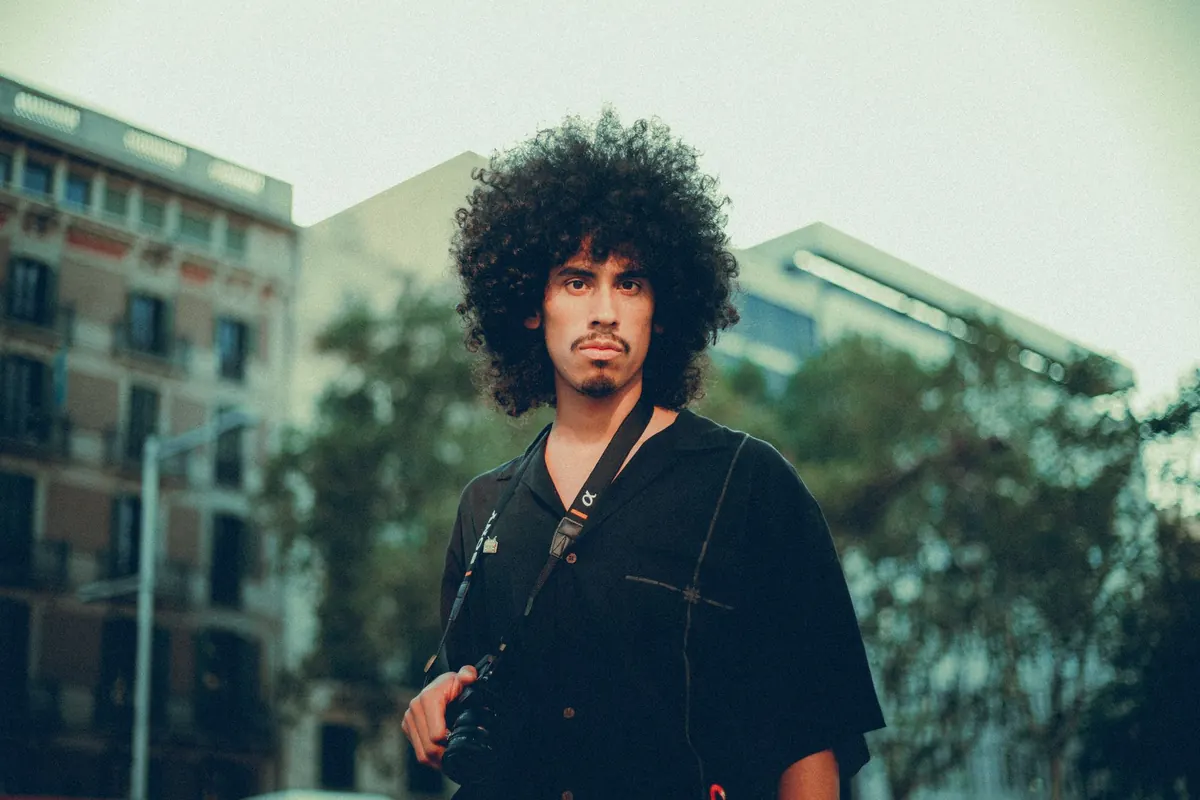
On travel days, wear the camera across your body rather than packing it. It's one less thing in the bag, it's ready for the window-seat view, and your most expensive possession never goes into an overhead bin. Never check camera gear, even in a hard case.
The night-before check
Ten minutes the evening before you fly saves the scramble at the gate.
- Charge every battery, the power bank and your phone.
- Clear the memory cards onto your home drive and reformat them in the camera.
- Weigh the bag against the strictest airline on your route.
- Pack the small pouch last, on top, where you can reach it.
- Fit the camera and one lens, take a test shot, and check the file on a screen.
- Note what's in the bag — a phone note is enough — in case you ever need to describe it for insurance.
Then close the bag, leave it by the door, and stop rearranging it. The kit you have with you always beats the perfect kit you left at home.
Photo: freephotocc / Pixabay
Related posts
More stories you’ll love reading